Prayer is
the offering up of our desires to God
in the name of Christ,
for such things as are agreeable to his will.
– Thomas Watson

– Thomas Watson
Praise God from whom all blessings flow
He makes our sins as white as snow
He is the soon and coming King
Of this great God, we join and sing
A Sovereign Lord o’er all the land
A Solid Rock on which we stand
Our thankful hearts to Him we raise
We offer Him our endless praise
From a sermon reviewing Isaiah 1-39
(To the tune of the “Doxology”)
 In this high and sacred calling, the task of expository preaching, we are to be men of spiritual wisdom and understanding in the mysteries of the gospel. We must each have a genuine experience of the power of the truth we proclaim. It is incumbent upon us to be able to divide the Word correctly and to feed the sheep as we discern their condition by spending time among them. There must be zeal about us for the glory of God and a compassion for the souls of men.
– Alistair Begg in Expositor Nov/Dec 14
 As a young person, the slogan for purity was “Just Say No.” Which I suppose was good as far it went. The problem was that it simply didn’t go far enough. Purity is much more than simply avoiding sex outside of marriage. If we are going to pursue purity, we must guard our eyes, guard our minds, and guard our actions.
Guard Our Eyes – We need to guard our eyes from those things which would encourage impure or lustful thoughts (Job 31:1, Psalm 101:3). This of course includes pornography of all kinds. But it also includes certain movies, TV shows, pictures on Facebook, magazines, and books. It includes how we look at another person; we must not look at them with lustful intent (Matthew 5:28). Indeed to drive this point home, Jesus goes on to speak of gouging out our eyes. His point is not that we should injure ourselves, but that we must get serious about this. We need to guard our eyes.
Guard Your Mind – In Colossians 3:5, Paul tells us to put to death sexual immorality, and then works backwards showing how one gets to that point. And it begins with covetousness – desiring to possess that other person to use them for our own gratification. His point is clear – unless you are married to that person, he/she doesn’t belong to you, so don’t think (and then act) as if he/she does. Another root of sexual immorality that he points to is evil desire or lust. We are not to think of others with sexual desire. We are not to fantasize about others in this way. We need to guard our minds.
Guard Our Actions – Paul continues in Colossians 3:5 from coveting and evil desire to passion and impurity. Those are actions that flow from evil desire and lead to sexual immorality. So the Bible is not just teaching us to say no to sexual immorality, but also to those actions that would lead to sexual immorality. Song of Solomon warns us not to awaken love until it pleases (2:7, 3.5). That is, don’t do those things that will awaken desires within you that you can’t lawfully fulfill outside of marriage. We need to guard our actions.
Sexual immorality doesn’t just happen. It occurs when we fail to guard our eyes, guard our minds, and guard our actions. So let’s be on our guard. Pursue purity.
In II Kings 18, we are told that Hezekiah did what was right in the sight of the Lord. According to his own words in Isaiah 38, he walked before God in faithfulness and with a whole heart…
…Except when he was trusting Egypt instead of God to save them from Assyia (Isaiah 31).
…Except when he proudly showed off all his treasure to the Babylonians (Isaiah 39).
…Except when he cared only for his safety, treating his kingdom and his own family with disdain (Isaiah 39).
He did what was right…except when he didn’t. And Hezekiah needed a Savior.
As Christians, we seek to do what is right in God’s sight. We strive to walk before God in faithfulness and with a whole heart…
…Except for days when we fail to trust God in the midst of the trial.
…Except for situations when we seek our own glory instead of God’s glory.
…Except for times when we are self-centered instead of loving others.
We do what is right…except when we don’t. And we need a Savior.
– Charles Spurgeon
My life is all about the Lord:
Walking with Him today
Trusting his grace and love out-poured
His praise in all I say
My life is not all about me
But loving everyone
And when I fail, His cross my plea
Until this life is done
– From a sermon on Isaiah 38-39
(To the tune of the “Am I Soldier of the Cross?”)
In Isaiah 38:3, Hezekiah mentions three characteristics about his walk before God:
First, he walked before God in faithfulness. He was faithful to God. He was faithful to God’s commands. He was loyal; he was obedient. What about us? In a world that ignores God and his commands, are we faithful to God? Are we faithfully seeking to obey God’s commands no matter how we feel or what the culture thinks? Are we walking before God in faithfulness?
Second, he walked before God with his whole heart. His heart was not divided between the one true God and other gods of the nations. What about us? Are we serving God with our whole heart? Or are there other gods that compete for our hearts? Jesus said that our hearts will be where our treasure is. So what do we treasure? God most of all? Or the things of this world? Are we walking before God with a whole heart?
Third, he walked before God doing what was good in God’s sight. His actions were righteous. His works were good. What about us? Are we doing what is good in God’s sight? Are we doing the good works God has prepared for us to do? What good things would God have us do today? Are we walking before God doing what is good?
How is our walk before God today? How do we need to grow?
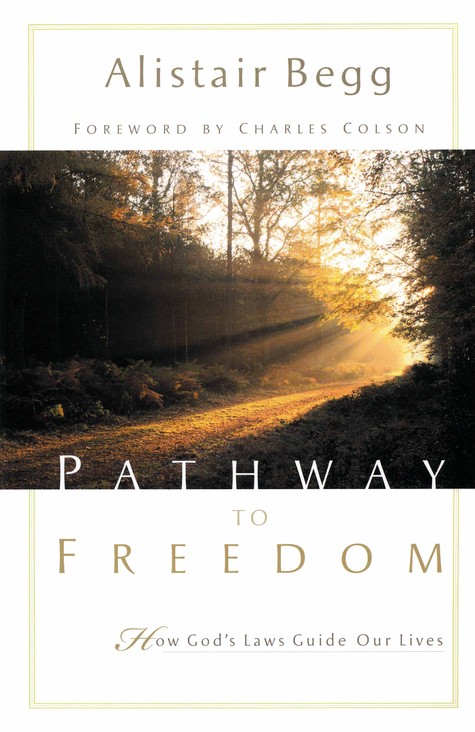 Just because I haven’t shed someone’s blood, doesn’t mean I’m innocent. My heart and mind have harbored thoughts and feelings that are as foul as murder. We kill people all the time with our contemptuous anger, our animosity and malice, our hostility and gossip.
Little hidden murders.
– Alistair Begg in Pathway to Freedom
The sixth command forbids us to murder. The reason is given in Genesis 1 and 9 – we are made in God’s image. As image-bearers of God, human life is sacred and to be respected. Jesus teaches that this respect for human life must go beyond our actions to include our attitudes and words. We must not let our anger burn against others or speak contemptuously to others or of others (Matthew 5:21-22). John adds that we are murderers if we hate others (I John 3:15). We cannot murder with our hands or our thoughts or our words. Our hearts and words as well as our actions must be governed by respect and love.
By this definition, we all break the sixth commandment. How often are we angry with others because they get in our way? How often do we refer to others as idiots or morons? How often does hate lurk in our hearts? And both Jesus and John tell us that such attitudes and words deserve judgment in hell. We are all guilty, and in desperate need of a Savior.
And so this command drives us to the cross. It drives us to Jesus who died to pay for sins just like these. But Jesus also fulfilled this command by keeping it perfectly. The most dramatic example of his fulfillment is at the cross. As he is surrounded by angry hate-filled attackers, he asks his Father to forgive them. He doesn’t express hate or anger. As they mock and insult him, he does not respond in kind, but looks to his Father, trusting in Him throughout the ordeal (see I Peter 2:22-24). And through faith in Jesus, we are clothed in his perfect righteousness, his perfect fulfillment of this command.
And his perfect fulfillment then serves as an example for us to follow. By the power of the Holy Spirit as we too place our trust in the Father, we can follow Jesus in living out this command. So let us repent and put away our anger and hatred. Let us guard our tongues from speak contemptuously against others. And let us instead show respect and love towards those who are made in the very image of our God.
 Brian J. Mikul