Books of the Year

Tis the time of year to make lists of the best books of the year.  Of all the books I read, three stood out as the best. They are:

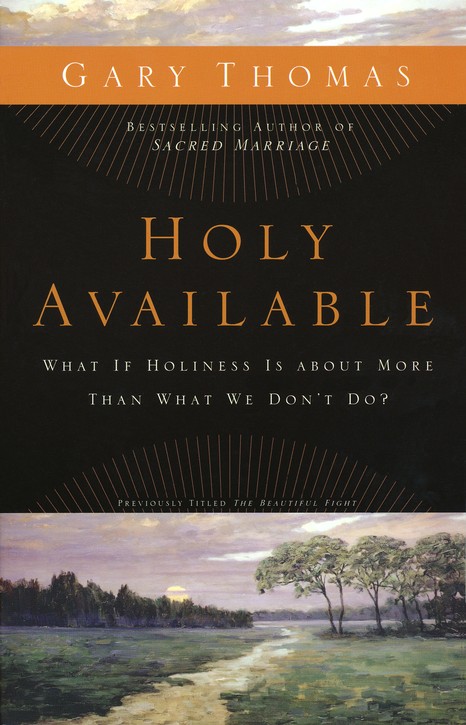
HolyAvailableHoly Available
by Gary Thomas
The basic idea is that Jesus is still active today, and we need to be available to be used by him.  You can read my Book Look for a fuller summary.  It is incredibly quotable.  I quoted from it several times here on the blog:

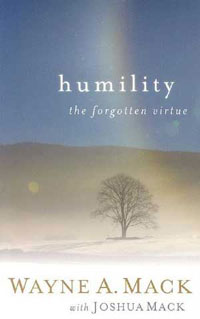
Humility-02Humility: The Forgotten Virtue
by Wayne Mack

I read two books on humility this year which complemented each other well.  This one digs into the Scriptures to explore our humility before God and with one another.  You can read my Book Look for further information.  This book also provided some good quotes:

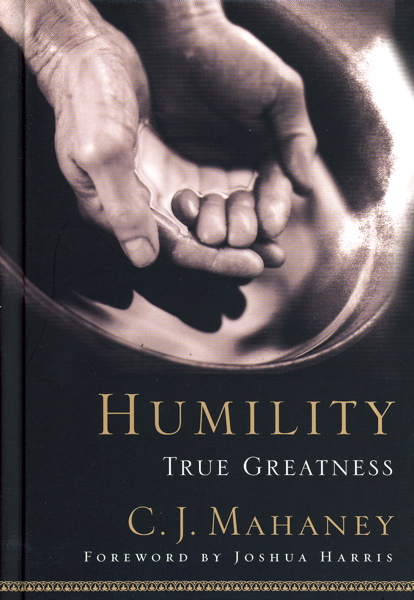
Humility-05Humility: True Greatness
by C. J. Mahaney

This one briefly looks at our humility before God, and then at the humility of Jesus.  Half of the book then explores practical ways to grow in humility.  This last section was especially helpful.  Here is the Book Look for more information.  A few quotes:

Book Look: Holy Available

Holy Available by Gary Thomas is a wonderful book on an important part of the Christian life.  The basic premise, which is fleshed out in the first part of the book, is that Jesus our ascended Lord is still active today through his people.  We must go beyond merely avoiding evil and seek to be available for his use.  Part two gets specific, looking at what it might mean for us to make ourselves available to God: our eyes, our mouths, our ears, our minds, our hands, our feet, and our hearts.  Part three addresses being available for God’s glory, making progress, perseverance, and the context of the church.  This is a book to read slowly and ponder and apply.  Challenging and highly recommended.

For those on a budget, right now you can get slightly imperfect copies for only $4.99 here.

Book Look: A Holy Ambition

A Holy Ambition is a collection of sermons by John Piper (and one article by David Mathis) on the topic of missions.  After a sermon and the article introducing missions, the book is divided into three parts: a Biblical theology of gospel-centered missions, the mandate of world missions, and the costs and blessings of mission.  It closes with a final sermon, plus two appendices: one arguing against prosperity preaching and the other declaring 14 driving convictions behind missions. 

Overall the book was challenging.  I’m sure different sermons will hit hard on different people, but I was especially challenged by three.  The first sermon which introduced the book calls us to a holy ambition to reach those who have never heard.  The sixth sermon was based on John 10:16 and ended with four reasons we can do missions confidently.  And the tenth sermon calls us to be willing to suffer to accomplish the mission. 

Recommended to fuel your desire for missions whether God calls you to go or simply grow in prayer and giving.

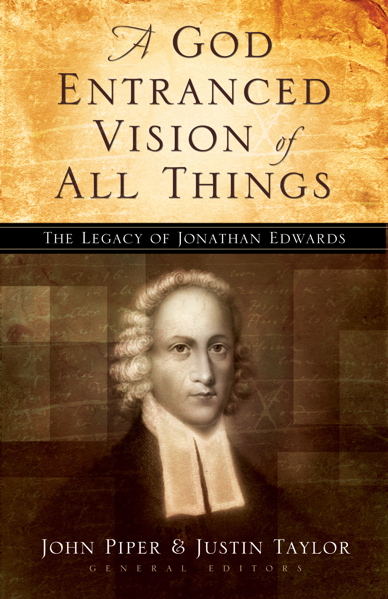
Book Look: A God Entranced Vision Of All Things

As I continue to read about Jonathan Edwards, I enjoyed the collection of essays found in the book, A God Entranced Vision of All Things edited by John Piper and Justin Taylor.  The essays are based on several addresses from a conference focused on the contributions of Jonathan Edwards.  The book begins with three chapters addressing his legacy, his life, and his wife’s life.  Part Two shares lessons we can learn from his life and teachings on revival, spiritual disciple, and church life.  The final chapter in part two addresses the issue of Edwards owning slaves.  Part Three explores some of his most important works on sin, the will, and religious affections.  All in all, the book makes a good introduction to his life and teachings, and provides plenty of challenges for our lives today.

Book Look: Humility and Humility

I have been sharing quotes from two books on humility for the last few weeks.  Both are excellent books that I want to commend to you.
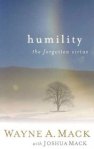
Humility: The Forgotten Virtue is by Wayne A. Mack (with Joshua Mack).  The Macks explore our humility before God based on both God’s superiority to us and God’s purity compared to our sin.  They then explore humility toward each other, and the follies of sin.  They close with two chapters on how to grow in humility.  As I was reading, I thought perhaps I was reading Jerry Bridges – which is to say that the entire book is a wonderful exploration of the Biblical passages that deal with the issue, organized as I have outlined above.  As such, the book could be used as a rich Bible study.  Indeed, each chapter ends with application and discussion exercises.
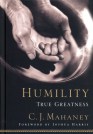
Humility: True Greatness by C. J. Mahaney explores humility in three parts.  First, he defines humility and pride.  Mahaney focuses on our humility before God based on God’s purity compared to our sin.  Second, he looks at Jesus, who humbles himself to save us from our sins.  Third, he takes well over half of the book to suggest practical ways to grow in humility.  This section alone is worth the price of the book.

I would recommend both books together.  Read the Macks as they dig deep into a Biblical exploration of humility, and then turn to Mahaney for the practical applications.  Both books deal with both issues, but the Macks just dig deeper and Mahaney applies further. 

Humility vs pride is an issue for all of us.  And so these are two excellent books that I would recommend be read by all of us that we might grow in our passion for God and compassion for people.

Book Look: Unwavering Resolve

A few years ago I read Jonathan Edwards’ Resolutions – 70 resolutions he made that he wanted to live by.  Many I found to be helpful.  But I also noticed that he seemed to repeat himself, or perhaps better put – there was no organization.  He simply recorded them as he thought of them.  I like organization!  Enter Steven J. Lawson’s book, The Unwavering Resolve of Jonathan Edwards.  Lawson organizes the resolutions into several categories.  For each category, he considers the related resolutions, as well as looking at Edwards’ other writings to flesh them out further.  The result is a challenging book calling us to:

  • The Priority of God’s Glory
  • The Putting Away of Sin
  • The Precipice of Eternity
  • The Passion of Discipline
  • The Practice of Love
  • The Posture of Self-Examination

All of these categories are set in the context of the first two chapters looking at Edwards’ life and the prerequisite of faith.  If you are looking for a helpful book to examine your life and challenge you to live for the Lord, this is a great choice.

Book Look: Jonathan Edwards Bios

I have been reading about Jonathan Edwards off and on for the last few years.  From his part in the Great Awakening to his extensive writings, he is well worth learning more about.  Here are some brief thoughts on four biographies:

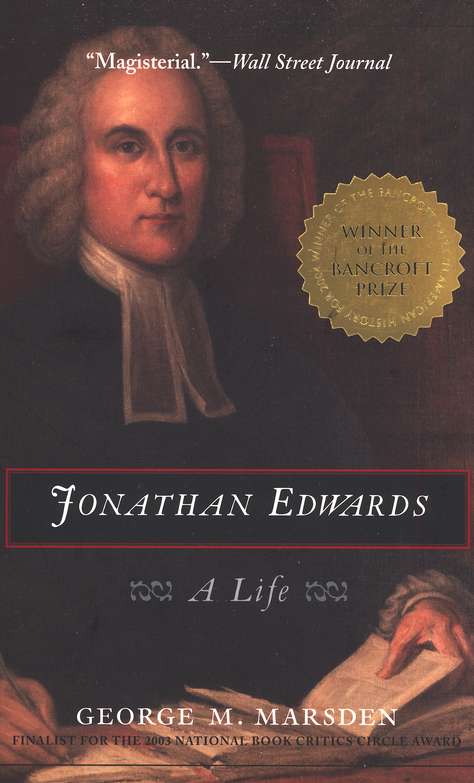
Jonathan Edwards 
by George Marsden

At over 600 pages, this is the definitive biography. 
If you want to learn a lot about Edwards’ life and thought,
this is the place to go.  Scholarly, yet very accessible.

A Short Life of Jonathan Edwards
by George Marsden

As the title suggests this is a shorter biography
(about 150 pages) by the same author for the
person who wants a quicker summation of Edwards’ life.

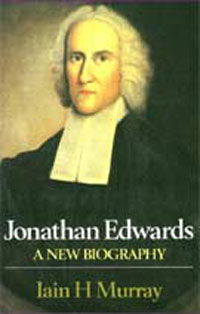
Jonathan Edwards: A New Biography
by Iain H. Murray

At around 500 pages, this biography gives a full and clear
look at Edwards’ life and thought.  Spiritually challenging.
This was the first bio of Edwards I read.

Jonathan Edwards and the Ministry of the Word
by Douglas A. Sweeney

At around 200 pages, this is a good introduction to Edwards’ life and thought.  Well written and easy to read.  As the last bio of Edwards I read, I found it to be a good summary and reminder of Edwards’ life.

Top Books from 2011

I love to read.  Here are the top five books I read in 2011 that I’d recommend to you:

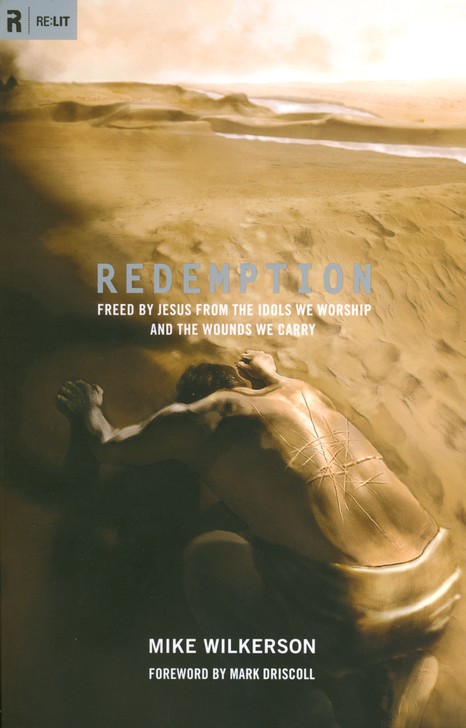
Redemption by Mike Wilkerson
The subtitle sums it up well: “Freed by Jesus from the Idols We Worship and the Wounds We Carry.”  Using the book of Exodus, Wilkerson shows us how we can be redeemed from our idols and wounds.  Biblical, challenging, and applicable.  Highly recommended.

Jonathan Edwards: A Life by George Marsden
I have been reading biographies on Jonathan Edwards.  This one is 640 pages.  If you want to learn about Edwards, this is the place to go.

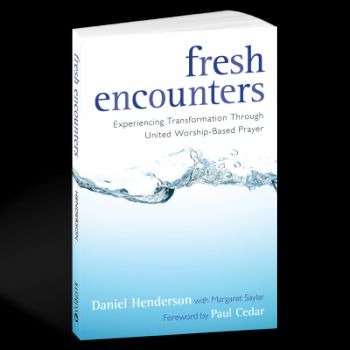
Fresh Encounters by Daniel Henderson
This book transformed my view of corporate prayer and gave me a burden to see more prayer in the church.  Prayer meetings don’t have to be boring laundry lists.  Prayer meetings should be fresh encounters with God.  Read this book, and then pass it on.

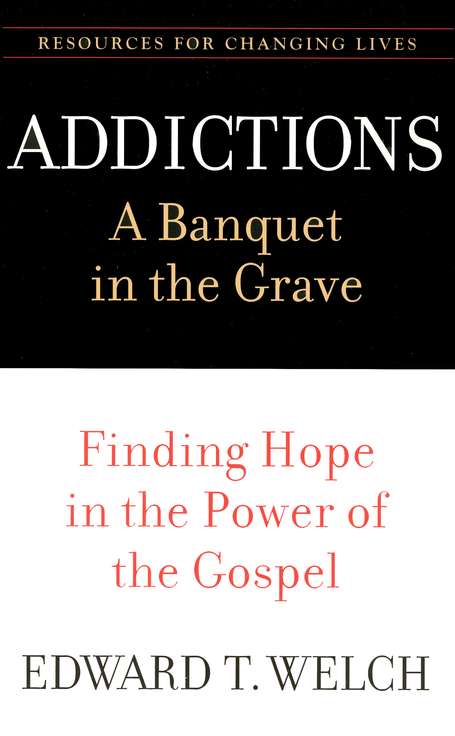
Addictions: A Banquet in the Grave by Edward T. Welch
I read this book for a sermon series I was doing.  It is filled with good gospel-powered teaching.  If you are struggling with an addiction, get a friend and work through this book together.  If you are not struggling with an addiction, read this book to help others, and to help immunize yourself.

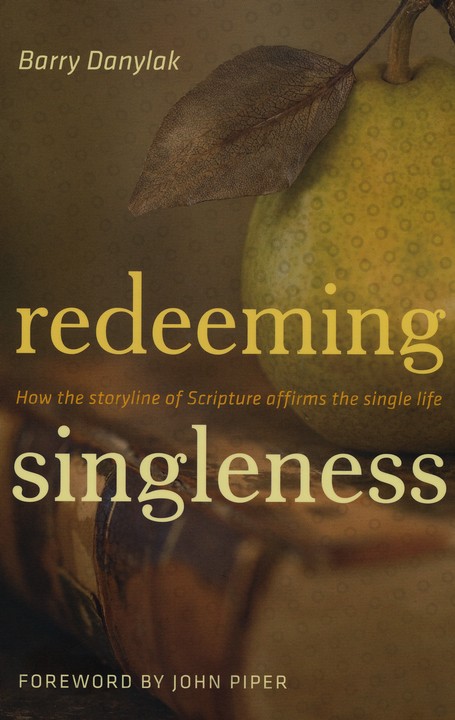
Redeeming Singleness by Barry Danylak
I read this book for another sermon series.  Danylak traces singleness throughout the Bible.  It is a fascinating Biblical study.  Recommended for anyone who is single or knows someone who is single.  You may never look at singleness in the same way again.

Book Look: Think

Think by John Piper reminds us that thinking is important.  It is a “plea to embrace serious thinking as a means of loving God and people” (p15).  Thinking, he argues, “exists to help us know God more so that we may treasure him more.  It exists to bring as much good to other people as we can – especially the eternal good of enjoying God through Christ” (p167).

The book is divided into several sections.  He begins by considering the importance of reading as it relates to thinking, and then addresses the importance of thinking in conversion.  He then combats two giants in our world (and too often our churches): relativism and anti-intellectualism.  His section on relativism I found to be particularly timely and helpful as he argues that relativism undermines thinking, and hence love.  He further outlines seven specific problems with relativism which I found particularly compelling.  His section on anti-intellectualism addresses the all too common suspicion in the church of study and learning by relooking at some common misunderstood passages. 

All in all a most helpful and needed book.  Read it to be encouraged to think more about God that you might love him more.  Read it to decimate any traces of relativism and anti-intellectualism in your own life, and to lovingly help others do the same in their lives.  Highly recommended.

Book Look: Christ Alone

Christ Alone by Michael Wittmer does exactly what the sub-title states: it is “An Evangelical Response to Rob Bell’s Love Wins.”  In ten chapters, Wittmer address the major themes in Bell’s book.  In doing so, Wittmer goes way beyond the question of hell, showing that Bell’s view of hell has important ramifications for the doctrines of God, sin, Christ, and salvation.  In the end, the issue touches on the gospel itself.   Along the way, Wittmer helpfully sets the various issues in their historical contexts, granting further thought and insight.

Overall, he gives a careful biblical critique in a gentle and charitable tone.  No ranting and raving here.  His critique is further very readable and accessible, with even a touch of humor.  Though a response to Bell’s book, it can easily be read on its own.  If you have read Bell’s book and want another perspective, or if you are just curious about what all the fuss is about, or if you just want to understand these issues better, this is a great book to pick up.