Exodus 8-13: Battle of the Gods

(8-12) Describe the battle between God (represented by Moses) and the Egyptian gods (represented by the magicians). What can the magicians do and not do? What is the final result (12:12)?

(8-10) Why does God enter into this battle?

  • 8:10,22; 9:14 –
  • 9:16 –
  • 10:1-2 –

(8-10) There is another battle of the gods taking place in this passage – God vs Pharaoh (who thinks he is a god). What is God demanding (8:1, etc.)? How does Pharaoh respond (9:17, 10:3)?

When are we tempted to act like Pharaoh?

In what ways is Pharaoh forced to humble himself before God? What does this remind us about human rulers (see also 9:16)?

Who hardens Pharaoh’s heart? What do you learn about God’s sovereignty? Man’s choices and responsibility?

(11-13) God clearly wins both battles, forcing Pharaoh to let the people go. Describe the final plague.

How do the people of Israel escape the final plague? How does this point to Jesus (see I Corinthians 5:7)?

What requirements does God give for the resulting annual Passover festival? What reasons are given for keeping the Passover (see especially 13:3-10)?

How does Jesus adapt the Passover for the New Covenant (Luke 22:14-20)? How might some of the Passover requirements and reasons apply to this new celebration?

God frees his people from their slavery in Egypt. How does this point to Jesus (see John 8:34-36)?
Reflections on Exodus 5-7

Moses goes to Pharaoh, but Pharaoh will not let the people go. The scene is set for the great contest between God and Moses on one side and Pharaoh and his Egyptian gods on the other. Note:

  • Trust in the waiting – Pharaoh responds to Moses by increasing the work the Israelites have to do to levels impossible to meet. The Israelites who believed at the end of chapter 4 have given up faith now in chapter 5. Moses too is disillusioned. What situations in your life only seem to be getting worse? Will you trust God in the waiting?
  • Battle of the gods – The contest is engaged not only to free the people of Israel, but that Israel and Egypt will know that the LORD is the one true God (6:7; 7:5, 17). Aaron casts down his staff and it becomes a snake. The Egyptian magicians do it too – but God’s snake swallows the Egyptian gods’ snakes. God causes the Nile to turn to blood. On a smaller scale, the Egyptian magicians also turn water to blood. Note they don’t turn the blood back into water – which would have been more helpful! The battle is engaged. What is God doing in your life to reveal himself to those around you? How has God shown his power in your life?

Jerry Bridges Collection

jerry-bridges

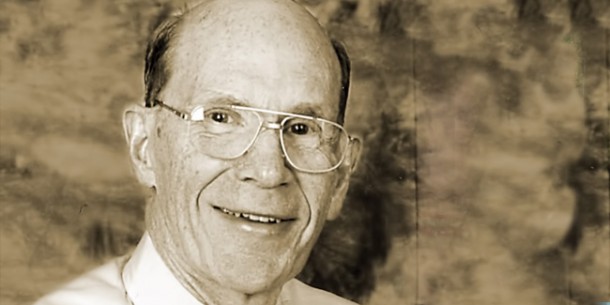
Jerry Bridges went to be with the Lord this past Sunday.  His writings have had an important impact on my life, especially Transforming Grace and the Joy of Fearing God.  Here are some tributes to his life to challenge you in your walk with the Lord.

Jerry Bridges (1929-2016) – Justin Taylor

Jerry Bridges (1929-2016): My Prayer Partner, Mentor, and Friend – Bob Bevington (TGC)

Jerry Bridges (1929-2016): Five Lessons from a Remarkable Life of Faith – interview by Tony Reinke (DG)

My Too-Weak Tribute to Jerry Bridges – Tim Challies

Sermon Songs: Ephesians 3:7-13

MusicNotes

We are servants of our great King
our Savior and our Lord
The good news of Jesus to bring
that He might be adored

We serve by God’s strong grace alone
We need it ev’ry day
We seek his strength before his throne
as we kneel down to pray

We serve with real humility
each sister and brother
We give of ourselves willingly
to serve one another

(To the tune of “O God Our Help In Ages Past”)

The Only Worthiness We Have

TransGrace
The only worthiness we have for entrance into God’s Kingdom is in Christ.

The only worthiness we have with which to come before God is in Christ.
And the only worthiness we have to qualify us for ministry is in Christ.
If we are to progress in any aspect of the Christian life,
we must look outside ourselves and only to Christ.

– Jerry Bridges in Transforming Grace

Reflections on Exodus 1-4

Israel had become a numerous people enslaved in Egypt. They cried out to God, and God raised up Moses to lead them out of Egypt. Observe:

  • God’s covenant – When the people cry out to God, God remembers the covenant he made with Abraham, Isaac, and Jacob. Not that he had forgotten, for God has already made the people numerous as he had promised. Now, after many years, God will bring them back to the land as he had promised. God’s timetable is not ours – it is still many more years before God will make the people into a great nation. What promises do you need to patiently trust God to fulfill?
  • God’s name – God identifies himself first as the God of Abraham, Isaac, and Jacob. Then, he calls his name, I Am Who I Am, from which we get his name Yahweh (usually translated LORD in our Bibles). This is Israel’s God and our God.
  • God’s enabling – When God calls Moses to lead his people out of Egypt, Moses asks, “Who am I?” He is of course nobody on his own, but God has called him, and God will be with him. To Moses’ complaint that he can’t speak, God says that he will give Moses the words to speak. God made us, and he is well able to enable us to do whatever he calls us to do. What is God calling you to do? Will you trust in his enabling?

By Grace

TransGraceWe are brought into God’s kingdom by grace;
we are sanctified by grace;
we receive both temporal and spiritual blessings by grace;
we are motivated to obedience by grace;
we are called to serve and enabled to serve by grace;
we receive strength to endure trials by grace;
and finally, we are glorified by grace.
The entire Christian life is lived
under the reign of God’s grace.

– Jerry Bridges in Transforming Grace

Exodus 1-7: God Promises Deliverance

(2-3, 6) God promises deliverance. What motivates God to bring about this deliverance (2:23-25, 3:7-9, 6:2-9)?

What does this tell you about God? Why is this important for you in your life?

(1-2) Though the people weren’t aware of it, God is already at work in chapters 1-2. What preparations for deliverance do you see?

What does this suggest about God and your own trials?

(3) Who is this God who promises to deliver (3:13-17)? What is significant about these names for them? For you?

(3-4) God is going to use Moses as his instrument of deliverance. In what ways does God enable and equip Moses to do the job?

In what similar ways does God enable and equip us to do what he calls us to do?

(6-7) In order to deliver his people, God must be more powerful than the Egyptian gods. How does he show his greater power in chapter 7 as the plagues begin?

What further purpose does God have in mind in these demonstrations of power (6:7, 7:5, 7:17)?

(4-6) When Israel heard that God would deliver them, they believed. But when things got worse, they lost heart. What encouragement does this passage give us to trust God in our own times of waiting for deliverance?

Reflections on Genesis 48-50

Again we see Joseph’s trust in God’s providence and the practical results that it brings:

  • Trusting God’s providence – While his brothers meant their actions for evil, God used the circumstances to bring about good. In your difficult circumstances, will you trust in God’s good plan for your life?
  • Forgiveness – Because Joseph trusts in God’s providential control over his circumstances, he is free to forgive his brothers. God’s good triumphs over their evil, and Joseph forgives. How might trusting in God’s providence help you to forgive? Who do you need to forgive?
  • No retaliation – Retaliation is our sinful default reaction to those who hurt us. But Joseph makes clear that such reactions put ourselves in place of God and show a lack of trust in God. When are you tempted to retaliate? How will you respond instead?
  • Judah’s line – Finally we see God’s providence in Jacob’s blessing to Judah. God causes Jacob to prophesy that kings will come from Judah. And indeed David is a descendant of Judah, as is David’s descendant – Jesus the King of Kings. God is in control!