I had the opportunity today to attend a pastors conference entitled “Don’t Stop Loving The Church” with Kevin DeYoung, Ted Kluck, and Mike Wittmer. A few take home points:
DeYoung: Some folks want Jesus without the church, but if the church is built on Christ’s foundation, then without the church we have a basement without a house. If the church is the body of Christ, then without the church we have a head without a body. If the church is the bride of Christ, then without the church we have a wedding without the bride.
Of course all of these things are absurd (or disgusting), and in the same way so is trying to claim Christ without his church. If we love Christ, we must love his church.
Wittmer: Some folks want to be part of the universal church but not a local church. That’s like being married but never living together. (Think about it.)
Also Wittmer: It is not enough to be Christ-centered. We need to ask: who is the Christ we are centered on?
Indeed, a good question. Is it the Jesus revealed in the Bible or a Jesus made up from our own imagination? This question may have many applications, but on this topic consider that the Jesus of the Bible is passionate about his church (he loved her so much, he died for her – Ephesians 5). If that is not our view of Jesus, then our view of Jesus is simply wrong. Or if we hold that view of Jesus but still refuse to love his church, then to that extent we fail to love Jesus. I will never believe you if you claim to love me but reject my wife. It is no different if we claim to love Christ but reject his church.
Someone might say that church is full of problems (add your list here). Granted, but Jesus still loved her and died for her, and he calls us to love with the same love he has.
Let’s drop the nonsense about embracing Jesus but rejecting his church. If we really love Jesus, we will love his church too.

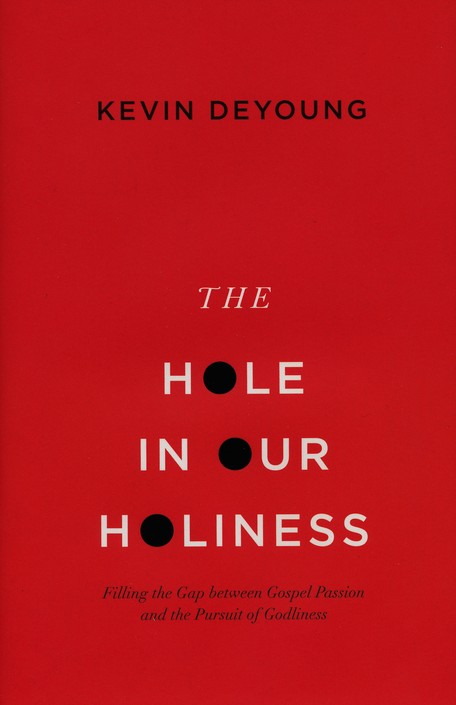 The gospel aids our pursuit of holiness by telling us the truth about who we are. Certain sins become more difficult when we understand our new position in Christ. If we heirs to the whole world, why should we envy? If we are God’s treasured possession, why be jealous? If God is our Father, why be afraid? If we are dead to sin, why live in it? If we’ve been raised with Christ, why continue in our old sinful ways? If we are seated in the heavenly places, why act like the devil of hell? If we are loved with an everlasting love, why are we trying to prove our worth to the world? If Christ is all in all, why am I so preoccupied with myself?
 Brian J. Mikul